
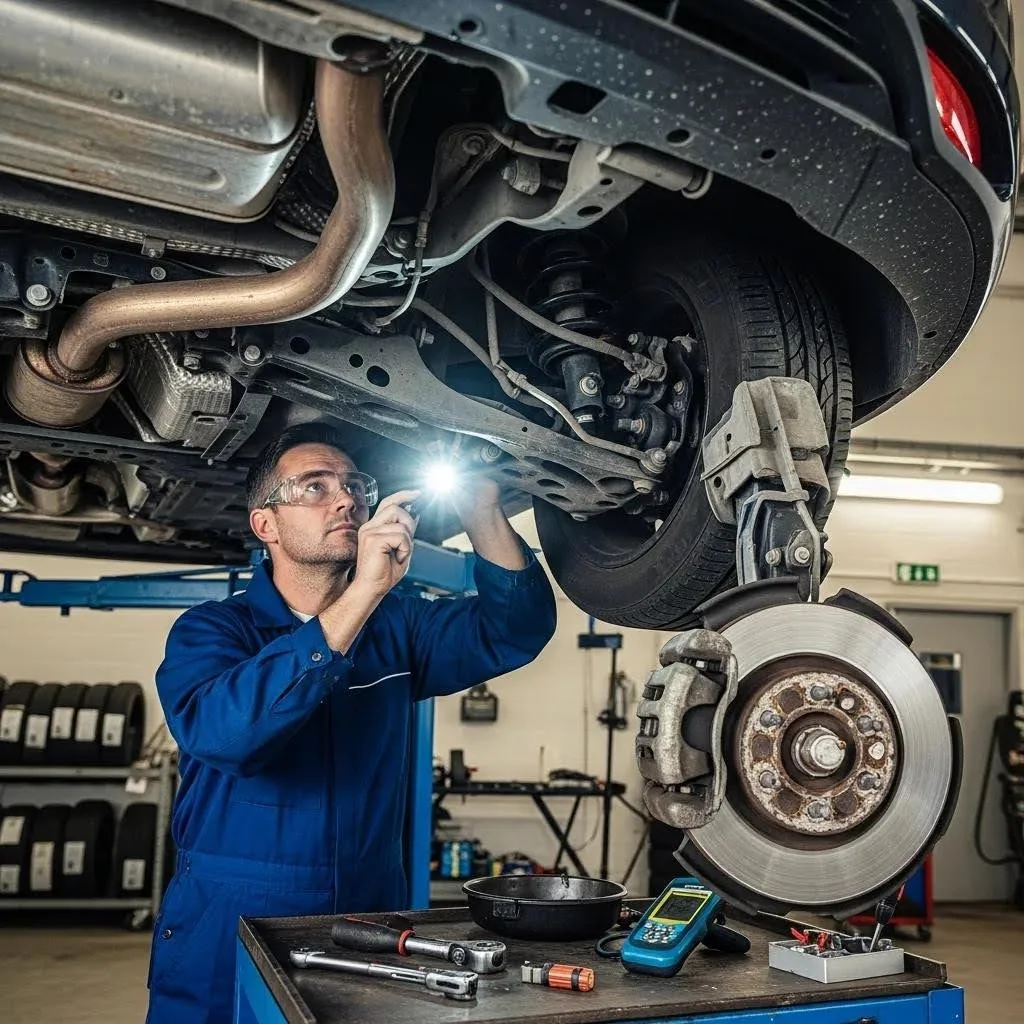
The MOT test is the UK’s statutory vehicle inspection that checks key safety and environmental systems to confirm roadworthiness and legal compliance.
Today, this guide explains what checks are included in an MOT test, why each item matters for safety and legality, and how simple pre-MOT car checks can reduce the chance of failure.
Drivers facing a failed MOT often lose time and incur avoidable repairs; this article sets out the precise items testers assess and practical steps you can take to prepare.
Which Vehicle Components Are Inspected During an MOT Test?
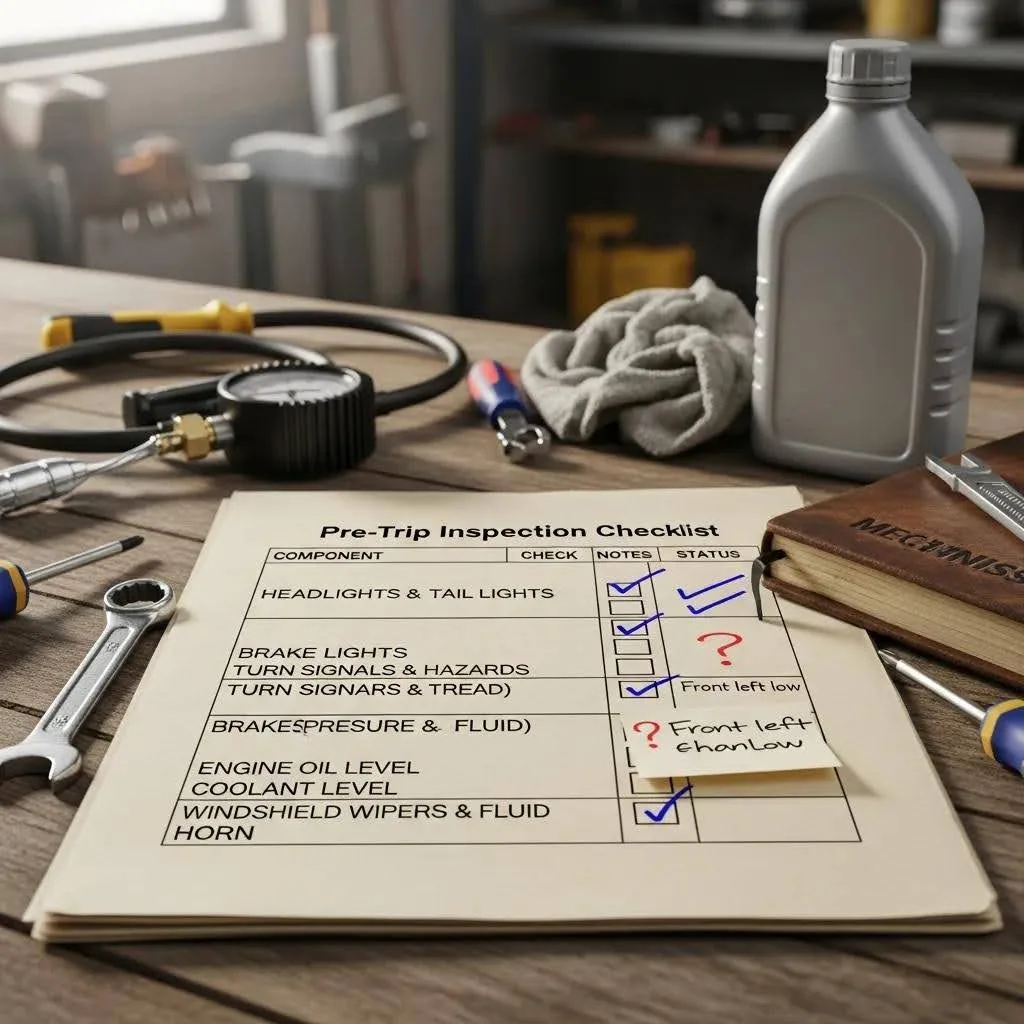
An MOT inspection covers a broad set of vehicle components to ensure safety and environmental standards are met. Inspectors check condition, operation, and legality against DVSA criteria.
The tester examines lighting and electrical systems, brakes, tyres and wheels, suspension and steering, emissions, seatbelts, visibility items such as wipers and mirrors, bodywork and structural corrosion, plus vehicle identification details like number plates and VIN.
Inspectors use both visual checks and functional tests, for example, brake efficiency tests and emissions readings, to verify the vehicle meets minimum legal thresholds.
Understanding this component list helps drivers prioritise pre-checks that reduce common failures and keep journeys safe, and leads to a short, practical checklist of the major items assessed.
Common MOT inspection checks include:
- Lights and electrical systems (headlamps, indicators, tail lights, fog lights, registration plate light)
- Brakes and brake performance (pads, discs, handbrake, fluid condition)
- Tyres and wheels (tread depth, condition, correct size, and secure fitting)
- Suspension and steering (shocks, springs, joints, excessive play)
- Visibility and bodywork (wipers, mirrors, windscreen, corrosion)
- Emissions and fuel system (exhaust leaks, emissions output, catalytic converter)
- Seatbelts, airbags, and interior safety features
- Vehicle identity and registration items (VIN, number plates)
The table below maps key components to what the tester looks for and why each check matters for safety and compliance.
This quick-reference table clarifies common tester checks and why they matter for road safety and legal compliance.
| Component | What the Tester Checks | Why it Matters |
|---|---|---|
| Lights & Electrical | Operation, correct colour, secure fittings, indicators, and hazard light function | Ensures visibility and signalling to other road users and helps prevent dangerous night-time driving |
| Brakes | Pad/disc wear, handbrake effectiveness, fluid leaks, brake efficiency | Directly affects stopping distances and crash risk and is a critical safety system |
| Tyres & Wheels | Tread depth, sidewall condition, correct size, secure fitment | Affects grip, braking, and stability; illegal tread increases accident risk |
| Suspension & Steering | Wear, broken springs, shock absorber leaks, excessive play | Impacts vehicle control and tyre wear; poor suspension reduces driver control |
Lighting and Electrical Checks
Lighting and electrical systems are inspected for correct function, secure fittings, and legal colour and position; this includes headlights, sidelights, tail lights, brake lights, indicators, fog lights, and the registration plate illumination.
Testers also check the horn, reflectors, and visible wiring condition to ensure there are no exposed or corroded connections that could fail while driving. Common faults are blown bulbs, cracked lenses, or corroded sockets. Simple pre-MOT bulb replacement and a quick wiring inspection often prevent these failures.
If lighting faults persist after basic checks, a professional electrical diagnostic can find underlying issues such as poor earths or fuse problems. Understanding the lighting checks helps you avoid one of the most frequent and easily preventable MOT failures.
Brake and Suspension Safety Checks
Brake inspections combine visual checks for wear with performance assessments of braking efficiency and handbrake operation, assessing pads, discs, drums, lin,e s and fluid condition.
Suspension checks look for worn or leaking shock absorbers, broken springs, loose or corroded mounting points, and excessive free play that affects steering precision.
Dangerous defects include thin brake pads, seized calipers, or fractured suspension components, all of which may lead to an MOT fail. Pre-MOT steps include checking brake fluid level, listening for unusual noises when braking, and visually inspecting suspension for leaks or obvious damage.
If any signs of reduced braking performance or poor ride quality are present, arrange a professional inspection to prioritise safety and improve your chances of passing the MOT.
After this section’s component overview, we detail the most common MOT failures and practical prevention steps to reduce the risk of a fail on test day.
What Are the Most Common MOT Failures and How Can They Be Avoided?
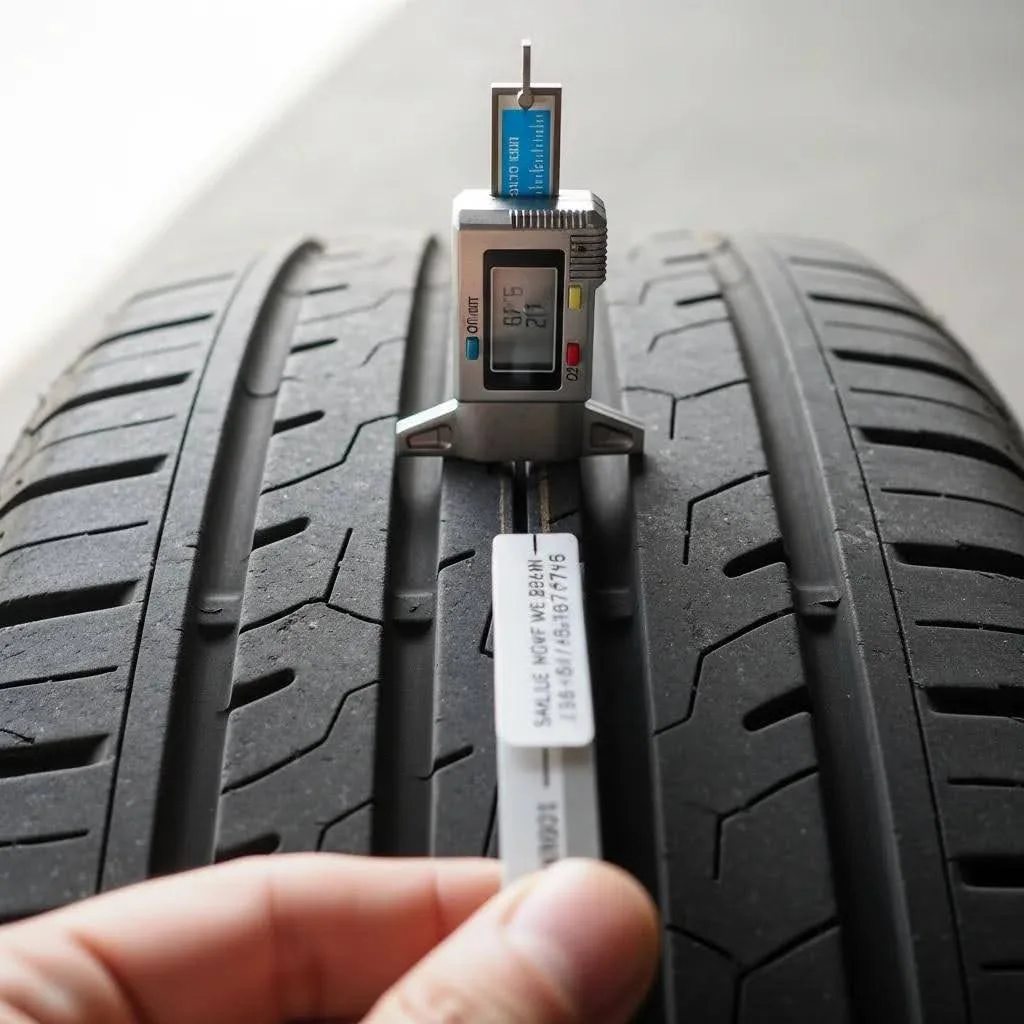
The most common MOT failures arise from lamps and signalling, tyre condition, brakes, suspension corrosion, and visibility issues like wiper damage or chipped windscreens.
Many of these failures stem from normal wear, minor damage, or neglected maintenance rather than major mechanical faults, so practical pre-MOT checks and small repairs often help prevent failure.
Below is a concise failure matrix showing typical causes and simple fixes you can perform or have a local garage address before the test.
This table highlights frequent failure categories, usual causes, and straightforward pre-MOT fixes that help prevent an MOT fail.
| Failure Category | Typical Cause | Simple Pre-MOT Fix |
|---|---|---|
| Lamps/Signals | Blown bulbs, cracked lenses, and incorrect fitting | Replace bulbs, clean lenses, and check indicator function |
| Tyres | Low tread depth, cuts, incorrect pressure | Measure tread, inflate to the recommended pressure, and replace badly damaged tyres |
| Brakes | Worn pads/discs, fluid leaks, reduced braking performance | Top up fluid, check for leaks, replace worn pads/discs |
| Visibility/Windscreen | Chips, cracked glass, worn wipers | Repair small chips, replace wipers, and remove obstructions from view |
Many drivers can avoid MOT failures with simple checks and small repairs done in the days before the test. For practical prevention, the following list summarises quick actions to take.
- Check all lights: Replace any non-working bulbs and clean dirty lenses.
- Inspect tyre tread: Use a gauge or 20p test and ensure no visible damage.
- Test brakes and handbrake: Note noise, pedal feel, and handbrake engagement.
- Clear the windscreen and replace worn wipers: Ensure good visibility and no obstructed view.
After explaining common failures and fixes, the next subsection gives a compact pre-MOT checklist drivers can complete in about 20 minutes.
Frequent MOT Failure Issues in the UK
Common MOT failures typically involve non-functioning lamps, insufficient tyre tread, worn brake components, and visibility problems such as cracked windscreens or ineffective wipers.
These items fail because they are exposed to daily wear, road damage, and weathering, and because drivers may not check them regularly between services.
Lamp and tyre issues often appear near the top of failure lists, but brakes and corrosion-related items also appear frequently, especially on older vehicles.
Recognising these high-risk areas lets drivers prioritise simple inspections and intervene early to avoid costly follow-up tests or repairs. Understanding why these items fail leads directly to a practical pre-MOT routine you can use.
Pre-MOT Checks That Prevent Failures
A short pre-MOT routine helps prevent many common failures and only takes about 15–20 minutes: check and replace faulty bulbs, measure tyre tread depth and inspect for cuts or bulges, top up brake fluid and test the handbrake, and replace worn wipers while clearing the windscreen.
Tools needed are minimal: a tyre tread gauge or a 20p coin, a torch to inspect lights, and a cloth to clean lenses and mirrors. And many items can be resolved with low-cost parts. If you identify deeper issues such as low brake efficiency, suspension noise, or significant corrosion, book a professional inspection to prioritise safety before the MOT appointment.
These pre-test checks can significantly improve your chances of passing and reduce the disruption of failed tests.
After preparing the vehicle with these checks, it’s useful to understand how MOT testing enforces legal compliance and what it does and does not cover.
How Does the MOT Test Ensure Vehicle Safety and Legal Compliance?
The MOT test is a legally mandated annual inspection that assesses whether a vehicle meets minimum safety and environmental standards set by national authorities; it does not guarantee mechanical reliability beyond the moment of testing.
By verifying components such as brakes, lights, tyres, and emissions, the MOT reduces on-road risk and enforces baseline maintenance across the vehicle fleet, contributing to overall road safety.
Drivers should note the MOT is a snapshot of condition on test day, regular maintenance remains the driver’s responsibility to ensure ongoing roadworthiness.
Understanding the legal role of the MOT clarifies why maintaining standards between tests safeguards safety, insurance validity, and reduces the risk of penalties associated with driving without a current certificate.
Key legal points about MOT testing include:
- Vehicles above the required age must have a valid MOT each year to be legally driven.
- Driving without a valid MOT can lead to fines and may affect insurance cover if involved in an accident.
- The MOT checks safety and pollution standards, but does not cover routine servicing items unrelated to immediate safety.
UK MOT Legal Requirements
An MOT is required for most cars once they reach the statutory age (usually three years from the date of first registration) and then annually; the test confirms the vehicle meets minimum safety and emissions standards at that date.
Legally, driving a vehicle without a valid MOT certificate can result in fines and may invalidate insurance cover if the vehicle is involved in a collision where the lack of a current MOT contributed to the risk.
The MOT does not replace regular servicing or mechanical repairs but complements them by enforcing baseline safety that protects other road users. Keep in mind that the test date and certificate status are the owner’s responsibility, and timely preparation helps reduce legal and financial risk.
Why Vehicle Roadworthiness Matters
Maintaining roadworthiness reduces accident risk by ensuring critical systems perform as intended, which protects occupants and other road users and reduces the likelihood of insurance disputes after collisions.
Well-maintained brakes, tyres, and steering directly influence stopping distance and vehicle control, while good visibility systems reduce the chance of hazards being missed. Neglecting maintenance can lead to costly repairs, fines, or invalidated insurance claims, so routine checks and addressing defects promptly are both a safety and financial priority.
For drivers seeking local support with MOT testing and pre-MOT inspections, MEDWAY VEHICLE SERVICES LIMITED offers MOT testing and pre-MOT inspection services to help prepare vehicles and book an inspection, reducing failure risk and streamlining the process.
For drivers ready to prepare a vehicle, follow the short checklists above and consider a professional pre-MOT inspection if you are unsure about any items.
Frequently Asked Questions
What Checks Are Included In a MOT Test?
An MOT covers core safety and emissions items: lights/electrics, brakes, tyres/wheels, suspension/steering, emissions/fuel system, seatbelts and interior safety, visibility (wipers/mirrors/windscreen), bodywork/corrosion, and identity items like number plates and VIN. Testers use both visual and functional checks (including brake efficiency and emissions readings).
What Exactly Do MOT Testers Check On Lights And Electrics?
They check correct operation, secure fittings, and legal colour and position across headlights, sidelights, tail/brake lights, indicators, fog lights, and the number plate light. They also check the horn, reflectors, and visible wiring condition for any exposed or corroded wiring issues.
What Are the Most Common MOT Failure Reasons, and What Quick Fixes Help Before the Test?
Common failures are lamps/signals, tyres, brakes, and visibility/windscreen issues. Quick fixes include replacing blown bulbs and cleaning lenses, checking tread depth and tyre condition/pressure, topping up brake fluid and checking for leaks or poor brake feel, and replacing worn wipers plus clearing the driver’s view.
Is an MOT Legally Required, and Does It Replace Servicing?
Yes, most cars need an MOT once they reach the statutory age (usually 3 years from first registration) and then annually. Driving without a valid MOT can lead to fines and may impact insurance if you’re involved in an accident. Also, the MOT is a snapshot on test day and doesn’t guarantee mechanical reliability or replace regular servicing.
