
Two numbers usually arrive with a blocked diesel particulate filter: a four-figure quote for a new one, or a cheap price from somebody willing to cut the old one out. There’s a third answer, and it’s where we’d start. A blocked filter can very often be cleaned while it stays on the car. We work in two stages, cheaper first, a forced regeneration from £140 and a chemical clean from £250 if the soot has hardened past what heat alone will shift. Either way we find out why it blocked before you pay for it. Drivers bring diesels to our workshop on the Medway City Estate in Strood from all over Kent.
These are the symptoms drivers usually turn up with:
A steady light means book it in before the soot load climbs further. A flashing light with limp mode is the car asking for attention now rather than next month. The rising oil level is the one we’d never leave, because at that point it’s on its way to being an engine problem instead of a filter one.
Five steps, and the cheap one comes before the expensive one. That order isn’t a sales tactic, it’s just the sensible way round: plenty of blocked filters clear on a regeneration alone, and there’s nothing to be gained from charging you for chemicals the car doesn’t need.
Step 1: Diagnose the fault. We read stored and pending codes, watch live data with the engine running, and compare the pressure across the filter with what the ECU believes the soot load to be. A pressure or temperature sensor reporting a figure that isn’t true looks exactly like a blockage from the driver’s seat, so we rule that out before anyone cleans anything.
Step 2: Agree the plan. We tell you what we found in plain words, which stage we’d start with, what it costs and how long we need the car. Nothing is done until you’ve said yes to it.
Step 3: Forced regeneration, from £140. Soot only turns to ash when the exhaust stays properly hot for a sustained period, which a car doing short town trips never manages. We take the filter through a full cycle under controlled conditions in the workshop, watching temperature and back-pressure as it burns through. For a good share of blocked filters, that’s the whole job.
Step 4: Chemical clean, from £250, only if that hasn’t cleared it. Once soot has baked hard, no amount of heat will move it. Cleaner is worked through the filter while it stays on the car, breaking the deposits down so a regeneration can then finish the job. Nothing is cut, drilled or taken off the exhaust.
Step 5: Prove it, then hand the car back. We road test it, re-scan it, and check that pressure readings and counters have settled where they should, resetting learned values once the cause has been dealt with. You get a short account of what we did, along with what to do differently, including the oil to insist on at the next service.
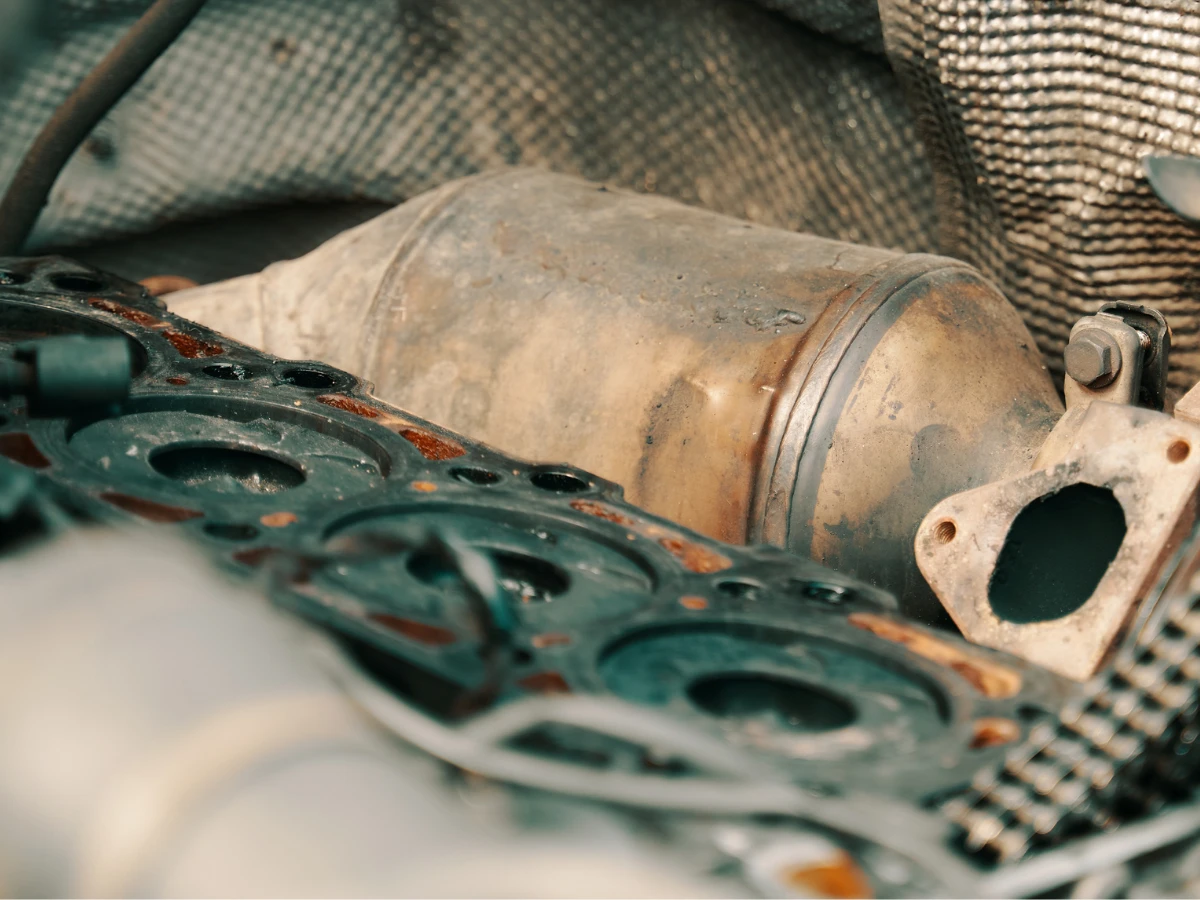
A filter doesn’t block for no reason, and a clean without a cause buys you months rather than years. Short journeys are the usual one. A diesel that only does town runs never holds the exhaust hot enough for long enough, so the car keeps beginning a regeneration and keeps being switched off partway through when the driver arrives.
Past that, we’re looking for something feeding the filter more soot than it was built to take, or something stopping a regeneration starting at all. A leaking EGR valve does the first. A tired injector or a lying sensor can do either. Oil matters too: these engines need low-SAPS oil, and ordinary oil leaves ash behind that no regeneration will ever burn out. When regenerations keep failing, fuel washes down into the sump, the oil level climbs, and a filter problem becomes an engine one.
If you drive the 1.6 HDi, the Peugeot and Citroën diesel that also went into a lot of Fords, there’s one more thing to check. It doses a fuel additive from its own small tank to lower the temperature at which soot burns off, and that tank empties over the years. Run it dry, or leave the system unreset after a service, and the filter will keep blocking however well it’s cleaned. Nothing on the dashboard tells you, so we look.
We get asked to take filters out, and we decline. A car with the DPF removed or defeated isn’t legal to use on the road, and since 2014 the MOT has included a check for a missing filter, so it fails the test the delete was supposed to help it pass. Insurers treat it as an undeclared modification, which is a cheap way to discover your policy is worthless at the worst possible moment.
The reason people ask is nearly always that four-figure replacement quote, and that usually isn’t the real choice in front of them. Cleaning costs a fraction of a new filter, keeps the car legal, and leaves the exhaust as the manufacturer built it. If cleaning genuinely won’t save your filter, we’ll say so rather than sell you a regeneration that can’t work.
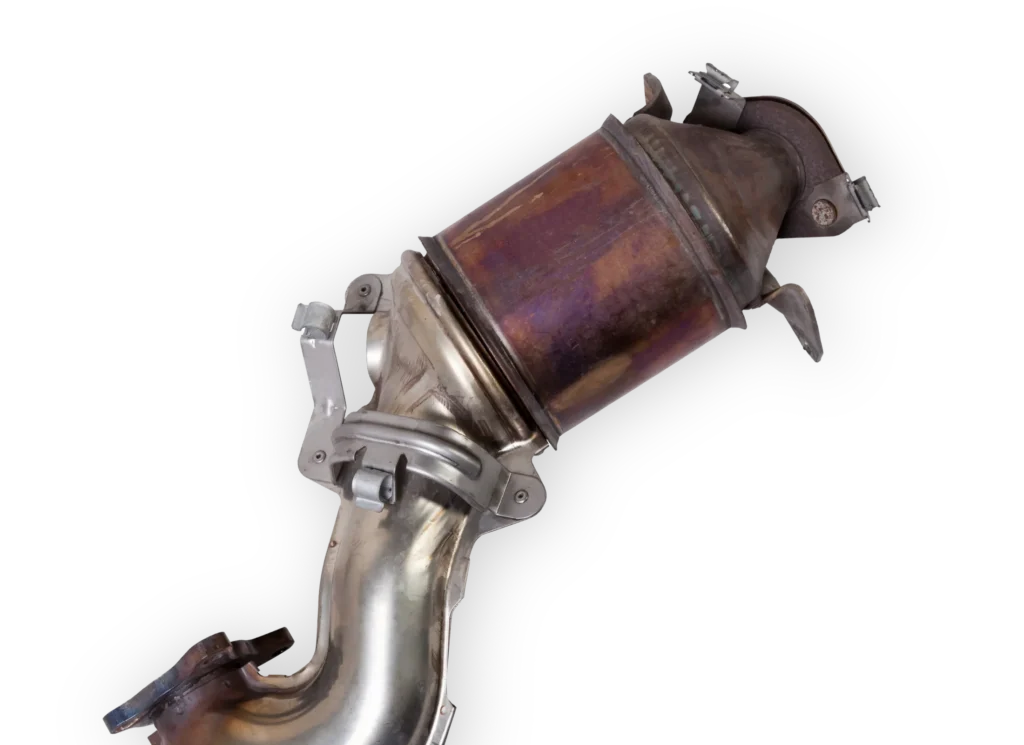
The car has to come to us for this. A forced regeneration means holding an engine at conditions it won’t reach on the road, with someone watching temperature and pressure the whole way through, and that’s workshop work. We’re on the Medway City Estate in Strood.
Most of the diesels we see belong to drivers in Strood, Rochester, Chatham, Gillingham and Rainham. Plenty travel further, from Maidstone, Sittingbourne, Faversham and across from Sheppey, and from Canterbury, Ashford, Dartford and Gravesend, usually because someone has decided they’d rather have the filter cleaned than replaced. A car in limp mode will normally still get here under its own power. If it won’t run at all, ask us about collection or recovery.
A forced regeneration starts at £140 and a chemical clean at £250. They're from prices, because a lightly loaded filter and one that's been ignored for two years are different jobs, and because diagnosis sometimes turns up a fault that needs putting right as well. You'll have the figure before we start, and nothing begins until you approve it.
If nothing else changes, it will fill again in time, and we'd rather say that than pretend otherwise. What keeps it clear is a longer run at sustained speed now and then so the car can complete a regeneration by itself, the correct low-SAPS oil at every service, and any underlying fault fixed rather than cleaned around.
Usually yes, and for a fraction of the money. The exception is a filter that's physically finished: a cracked or melted ceramic core, or one so full of ash that there's nothing left to burn. We check for that while diagnosing, and if it's beyond cleaning we'll tell you instead of taking payment for a regeneration that can't work.
Plan on leaving the car with us for the day. A regeneration cycle takes time and has to run from start to finish, and if we go on to a chemical clean there's a second stage after it. Urgent jobs can often be fitted in the same day, so it's worth asking when you book.
All makes and models. The two stages don't change from car to car. What changes is where the sensors sit, how the exhaust comes apart, and whether the vehicle runs an additive system that needs checking alongside the filter itself.

Phone: 01634 510 780
Email: bookings@medwayvehicleservices.
co.uk
Unit 3 Cliffe Yard, Anthonys Way, Medway City Estate, Rochester, Kent, ME2 4DY
WhatsApp us