
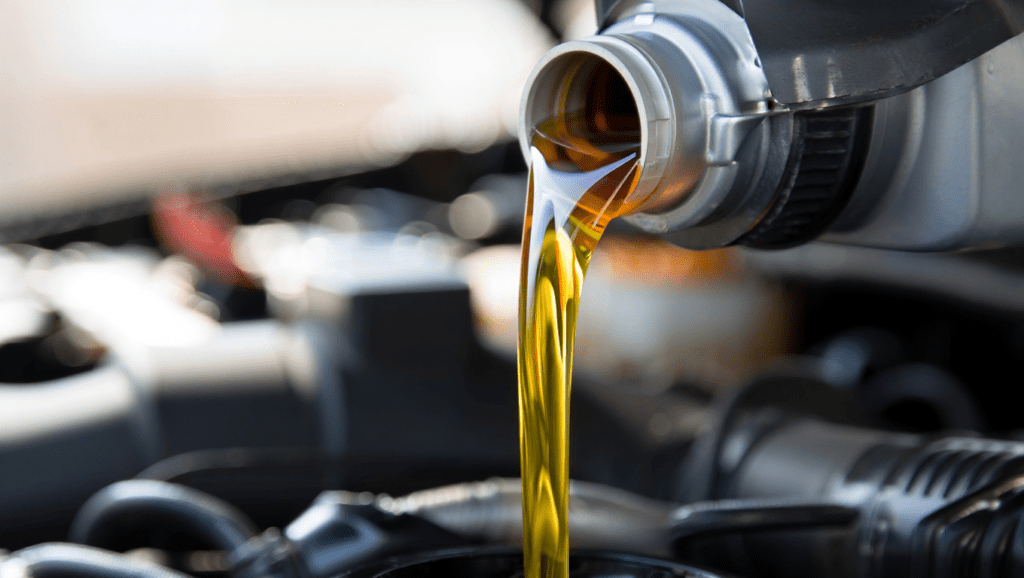
When it comes to servicing your car, engine oil is often seen as a commodity.
Oil is oil… right?
So why does one service cost £99 and another £180+?
Why does one bottle cost £20 at a supermarket while another is £65 from a motor factor?
Is it just branding, or does it genuinely matter?
At Medway Vehicle Services, this is a question we’re asked regularly. The short answer is: yes, it matters, especially in modern engines. But not always for the reasons people think.
Let’s break it down properly.
Why Engine Oil Is More Important Than Most Drivers Realise
Engine oil doesn’t just “lubricate the engine”.
In modern vehicles, it plays multiple critical roles:
- Lubricating moving internal components
- Reducing friction and wear
- Cooling internal engine parts
- Preventing sludge build-up
- Protecting turbochargers
- Supporting hydraulic timing systems
- Maintaining emissions components
Older engines were relatively forgiving. Modern engines are not.
Today’s vehicles often feature:
- Turbochargers
- Direct injection systems
- Diesel particulate filters (DPFs)
- Tight emission tolerances
- Extended service intervals
All of these systems rely heavily on clean, correct-spec oil.
That’s why a proper interim or full service is about far more than simply draining and refilling oil. It’s about using the correct specification for your specific engine.
What Actually Makes Oil “Premium”?
There are two main elements that separate oils:
1. The Base Oil
Engine oils typically fall into three categories:
- Mineral
- Semi-synthetic
- Fully synthetic
Fully synthetic oils are chemically engineered for higher performance, better temperature stability, and improved longevity.
2. The Additive Package
This is where the real difference lies.
Higher-quality oils contain advanced additive packages, including:
- Detergents (to prevent sludge)
- Dispersants (to suspend contaminants)
- Anti-wear additives
- Friction modifiers
- Anti-foam agents
- Corrosion inhibitors
You’re not just paying for branding. You’re paying for chemical engineering designed to protect complex mechanical systems.
Manufacturer Specifications Matter More Than Price
This is where confusion often happens.
The most important factor isn’t whether oil is “cheap” or “premium”.
It’s whether it meets the correct manufacturer specification.
You may see labels such as:
- ACEA ratings
- API ratings
- VW 504.00 / 507.00
- Ford WSS-M2C913-D
- BMW LL-04
- Mercedes 229.51
These aren’t marketing terms. They are strict engineering standards.
Using oil that doesn’t meet the correct specification can:
- Increase engine wear
- Cause premature turbo failure
- Affect fuel efficiency
- Contribute to DPF problems
- Potentially void warranties
This is particularly important in diesel vehicles. Short journeys, common around Medway with school runs, local commuting and stop-start traffic, already put pressure on emissions systems. As we explain in our article on why short journeys damage diesel DPF systems, contamination and incomplete regeneration are common problems.
Incorrect or low-quality oil can make those issues worse.
When Cheap Oil Can Cost You More
We regularly see engines that have been serviced — but not correctly.
Common issues linked to incorrect or degraded oil include:
Turbocharger Wear
Turbochargers spin at extremely high speeds and rely entirely on oil for lubrication and cooling. Poor-quality oil or extended change intervals can lead to bearing wear and eventual failure.
Sludge Build-Up
Oil degrades over time. If additives break down, sludge can form. This restricts oil flow and increases internal wear.
Increased Oil Consumption
Incorrect viscosity can lead to excessive oil burn-off, especially in higher-mileage engines.
Emissions System Stress
Contaminated oil can contribute to incomplete combustion and increased exhaust system strain. Over time, this can place additional stress on components throughout the exhaust system, including flexi sections. We’ve covered common warning signs in our guide to failed exhaust flexi pipes: symptoms, causes and repair options.
In many cases, the original intent was to save money. But the long-term cost can be significantly higher.
Modern Service Intervals Make Oil Quality Even More Important
Many manufacturers now advertise service intervals of 18,000–20,000 miles.
That’s a long time for oil to remain effective.
In real-world driving, particularly in areas like Medway with short trips, cold starts and congestion, oil degrades faster than laboratory conditions suggest.
Repeated short journeys cause:
- Increased condensation
- Fuel dilution
- Incomplete engine warm-up
- Higher contamination levels
All of which accelerate oil breakdown.
That’s why using the correct specification oil, and changing it at sensible intervals, is critical.
Does Oil Quality Affect Other Mechanical Components?
Indirectly, yes.
Lubrication quality impacts internal wear rates. While components like clutches operate independently from engine oil in most manual vehicles, overall maintenance habits still matter.
Driving style and maintenance approach influence overall drivetrain longevity. We explore this in more detail in our article on how long a clutch actually lasts.
The key takeaway is this:
Maintenance decisions are rarely isolated. The way you look after one system often affects the longevity of others.
Is There Ever a Time Cheap Oil Is Acceptable?
There are situations where lower-cost oil may be reasonable:
- Older, non-turbo engines
- High-mileage vehicles nearing end-of-life
- Temporary emergency top-ups
However, even in these cases, the oil must still meet the correct manufacturer specification.
The real risk isn’t “cheap” oil.
It’s incorrect specification oil.
That’s the distinction many drivers don’t realise.
Why Service Prices Vary So Much
When comparing service quotes, it’s important to understand what’s included.
Some lower-priced services may:
- Use generic bulk oil
- Use oil that only loosely meets spec
- Cut corners on filter quality
- Skip additional inspections
A proper service involves:
- Correct manufacturer-approved oil
- Correct viscosity
- Quality oil filters
- Inspection of key safety components
- Service interval reset
- Digital service record updates where applicable
That’s why not all oil changes are equal.
So… Does It Actually Matter?
In modern engines, yes.
Not because “premium” sounds better.
But because:
- Modern engines are more complex
- Emissions systems are more sensitive
- Turbochargers rely on consistent lubrication
- Long service intervals demand higher oil stability
Cheap oil isn’t automatically harmful.
Wrong oil is.
And extended intervals with degraded oil are.
Final Thoughts
Engine oil is one of the most important fluids in your vehicle.
It protects moving components operating under extreme pressure and temperature. It supports emissions systems. It influences longevity and performance.
Saving money upfront may seem sensible, but only if the oil still meets the correct specification and is changed at appropriate intervals.
If you’re unsure whether your vehicle has been serviced with the correct oil specification, or you’d like advice on the appropriate service schedule for your driving habits, our team at Medway Vehicle Services are always happy to help.
Proper servicing isn’t about ticking a box.
It’s about protecting your engine for the long term.
