
Most drivers understand that running an engine with low oil is dangerous. What far fewer realise is that overfilling your engine oil can be just as damaging.
In modern engines with tighter tolerances and turbochargers, an incorrect oil level, whether too low or too high, can lead to severe internal damage, expensive repairs, and even complete engine failure.
At Medway Vehicle Services, we regularly inspect vehicles suffering from oil-related issues, from oil starvation due to leaks, to overfilled engines after rushed DIY servicing. In many cases, the damage could have been prevented with a simple and accurate oil level check.
This guide explains:
- What engine oil actually does
- What happens when oil is too low
- What happens when oil is too high
- Why both problems are equally serious
- How to check oil properly
- When to get it professionally inspected
If you drive in Medway, Strood, Rochester, Chatham or the wider Kent area, understanding this could save you thousands of pounds.
What Engine Oil Actually Does Inside Your Engine
Engine oil is not just a lubricant. It performs several critical functions simultaneously.
Lubrication and Friction Reduction
Inside your engine, components such as:
- Crankshaft journals
- Connecting rod bearings
- Camshaft lobes
- Valve train components
- Turbocharger shafts
are all moving at extremely high speeds.
Engine oil creates a protective film between these metal surfaces, preventing direct metal-to-metal contact. Without sufficient lubrication, these parts wear rapidly, often within minutes under load.
Heat Transfer and Cooling
Modern engines run hotter than ever, especially turbocharged and direct-injection units.
Oil absorbs and transfers heat away from pistons, bearings and turbochargers. When oil levels are incorrect, heat management becomes compromised, increasing the risk of overheating and component damage.
If your vehicle is already running hotter than normal, it’s worth reading our guide on Why Short Journeys Are Killing Your Diesel DPF:
https://medwayvehicleservices.co.uk/blog/why-short-journeys-are-killing-your-diesel-dpf/
Short journeys can prevent engines from reaching proper operating temperature, which can compound oil contamination issues over time.
Contaminant Suspension
During combustion, carbon deposits and microscopic metal particles are produced. Engine oil suspends these contaminants so they can be trapped in the oil filter.
Incorrect oil levels reduce this protective function, accelerating internal wear.
Oil Pressure Regulation
Your engine relies on stable oil pressure. The oil pump draws oil from the sump and circulates it under pressure through internal galleries.
If the oil level is too low, the pump can draw air.
If the oil level is too high, abnormal pressure and aeration can occur.
Either scenario disrupts lubrication.
What Happens When Engine Oil Is Too Low?
Low engine oil is the more widely recognised danger — but many drivers underestimate how quickly damage can occur.
Why Oil Levels Drop
Common causes include:
- Minor oil leaks
- Worn seals
- High-mileage oil consumption
- Extended service intervals
- Faulty PCV systems
Small leaks often go unnoticed. If you’re experiencing unusual smells or fumes inside the vehicle, it may indicate oil or exhaust-related issues. Our article on Exhaust Smell Inside the Car: Is It Dangerous and What Causes It? explains this further:
https://medwayvehicleservices.co.uk/blog/exhaust-smell-inside-the-car-is-it-dangerous-and-what-causes-it/
Early Warning Signs of Low Oil
Watch for:
- Oil pressure warning light
- Ticking noise on cold start
- Engine knocking
- Overheating
- Rough running
However, oil damage can begin before the warning light appears.
The Mechanical Chain Reaction of Low Oil
Here’s what happens internally:
- Oil level drops below safe threshold
- Oil pickup begins drawing air
- Oil pressure fluctuates
- Bearings lose lubrication film
- Metal-to-metal contact begins
- Heat builds rapidly
- Bearing material degrades
- Crankshaft scoring occurs
Under motorway speeds, serious internal damage can occur quickly.
What Happens When Engine Oil Is Too High?
Overfilling oil may not seem dangerous, but it can cause equally serious problems.
Why Overfilling Happens
- DIY oil changes
- Not draining old oil fully
- Incorrect oil capacity data
- Checking the dipstick incorrectly
Even a small miscalculation can push oil above the maximum level.
Crankshaft Aeration, The Hidden Risk
When oil is overfilled, the crankshaft rotates through excess oil.
This causes:
- Oil to whip and churn
- Air bubbles to form
- Foaming of the oil
Aerated oil cannot maintain proper lubrication pressure.
Pressure-Related Damage
Excess oil can also lead to:
- Increased crankcase pressure
- Blown seals
- Oil leaks
- Oil entering the intake system
- Catalytic converter contamination
If left unchecked, this may cause damage that leads to further symptoms such as rattling or exhaust-related noises. If you are hearing unusual noises from underneath your vehicle, you may find our guide on Rattling Exhaust Noise When Driving: What’s Loose Under Your Car? Useful: https://medwayvehicleservices.co.uk/blog/rattling-exhaust-noise-when-driving-whats-loose-under-your-car/
Too Much Oil vs Too Little Oil, Which Is Worse?
Both are dangerous, just in different ways.
Low Oil Causes:
- Oil starvation
- Friction damage
- Bearing failure
- Engine seizure
Overfilled Oil Causes:
- Oil aeration
- Pressure imbalance
- Seal failure
- Emissions system damage
Low oil destroys through friction and overheating.
High oil destroys through aeration and pressure imbalance.
Neither should be ignored.
Modern Engines Are Less Forgiving
Today’s engines are:
- Turbocharged
- Smaller capacity
- Higher compression
- Tighter tolerances
This means oil level accuracy matters more than ever.
We frequently inspect vehicles where secondary components such as exhaust flexi pipes or catalytic systems are damaged due to engine-related issues. For further reading, see Failed Exhaust Flexi Pipe: Symptoms, Causes and Repair Options:
https://medwayvehicleservices.co.uk/blog/failed-exhaust-flexi-pipe-symptoms-causes-and-repair-options/
Oil contamination and pressure irregularities can sometimes contribute to these failures.
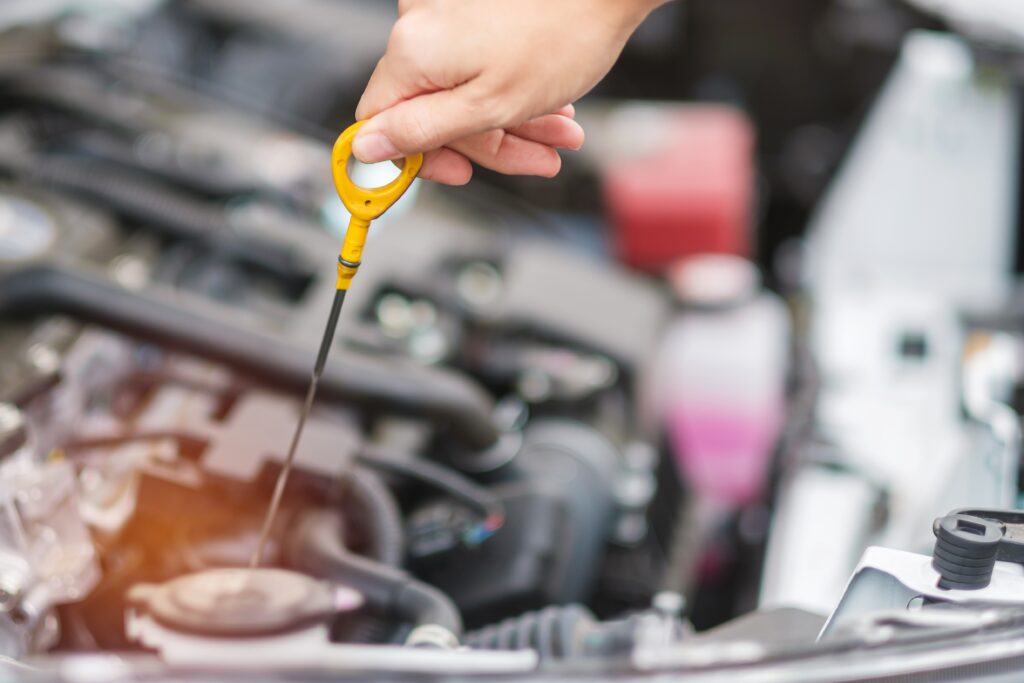
How to Properly Check Your Engine Oil
Checking oil correctly is simple:
- Park on level ground
- Switch off engine
- Wait 5–10 minutes
- Remove dipstick
- Wipe clean
- Reinsert fully
- Remove and read level
The oil should sit between the minimum and maximum marks.
Common Mistakes When Checking Oil
- Checking immediately after driving
- Checking on a slope
- Misreading streaked oil
- Ignoring an overfilled reading
If you’re unsure, a quick professional inspection can prevent expensive mistakes.
Repair Costs: Prevention vs Engine Failure
Here’s what neglect can lead to in the UK:
- Oil level inspection: minimal cost
- Oil and filter service: routine maintenance
- Minor oil leak repair: moderate
- Bearing damage repair: £1,000+
- Engine rebuild: £2,000–£6,000+
- Engine replacement: £4,000–£10,000+
A simple oil check could prevent catastrophic expense.
When Should You Have Your Oil Checked Professionally?
Consider a professional inspection if:
- You’ve completed a DIY oil change
- The oil warning light appears
- You notice smoke from the exhaust
- You smell burning oil
- You’re buying a used vehicle
- You’re preparing for a long journey
Drivers across Medway and the surrounding Kent area regularly book quick oil level and engine health checks before long trips, a sensible preventative measure.
Final Verdict: Oil Level Accuracy Matters
Engine oil truly is the lifeblood of your engine.
Too little oil leads to starvation and friction damage.
Too much oil leads to aeration and pressure-related failures.
Both can cause severe and expensive engine damage.
The good news? Oil level accuracy is simple to maintain, if checked correctly and regularly.
If you’re unsure about your vehicle’s oil level or have noticed unusual symptoms, having it inspected professionally can provide peace of mind and protect your engine from unnecessary damage.
When it comes to engine protection, guessing is never worth the risk.
