
There is no general grace period for driving without a valid MOT in the UK, and driving after the MOT expiry date can carry legal, financial, insurance, and safety risks.
Today, this guide explains the legal requirements around driving without an MOT, what happens if your MOT expires, which vehicles are exempt, and practical next steps to stay compliant.
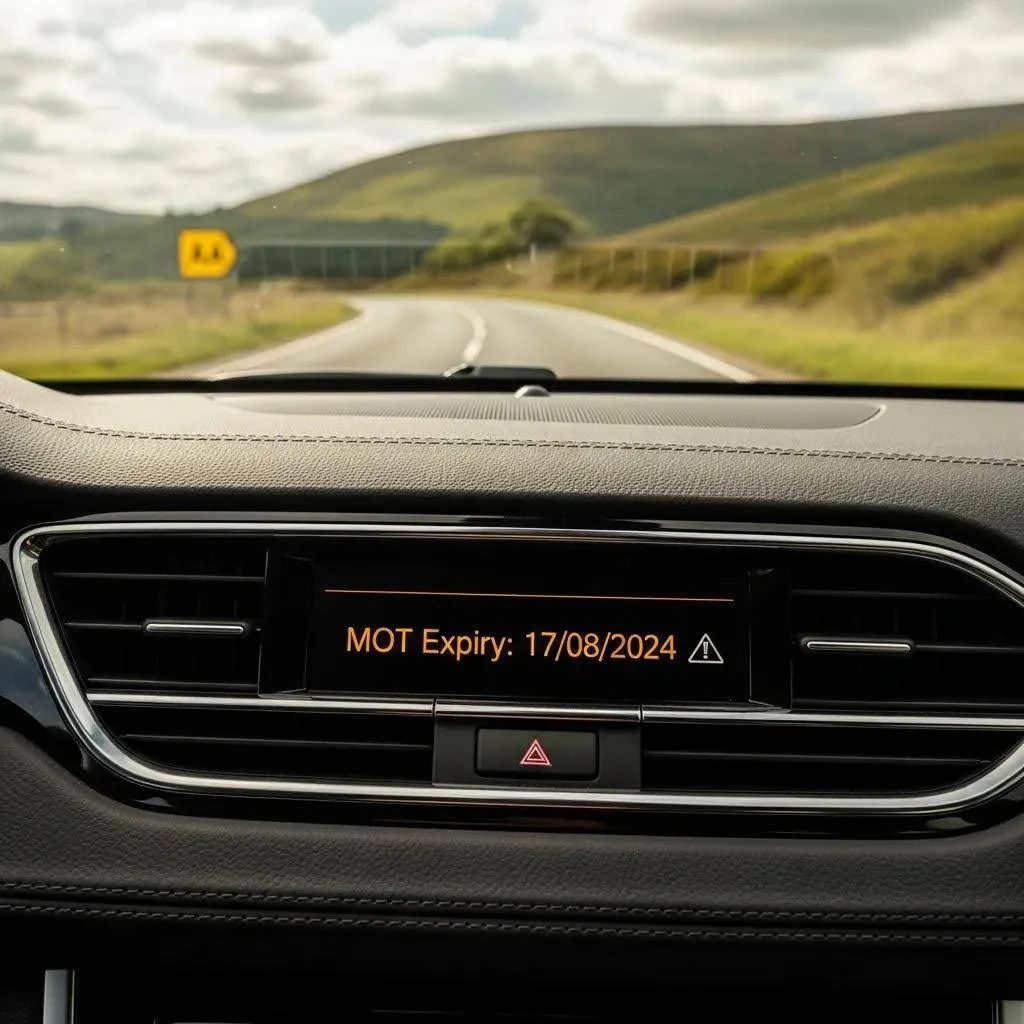
It also covers the official exceptions (for example, driving to a pre-booked MOT or for repairs), the role of the DVSA and the Road Traffic Act, and how insurance and safety concerns interact with MOT status.
What Are the Legal Requirements for Driving Without a Valid MOT in the UK?
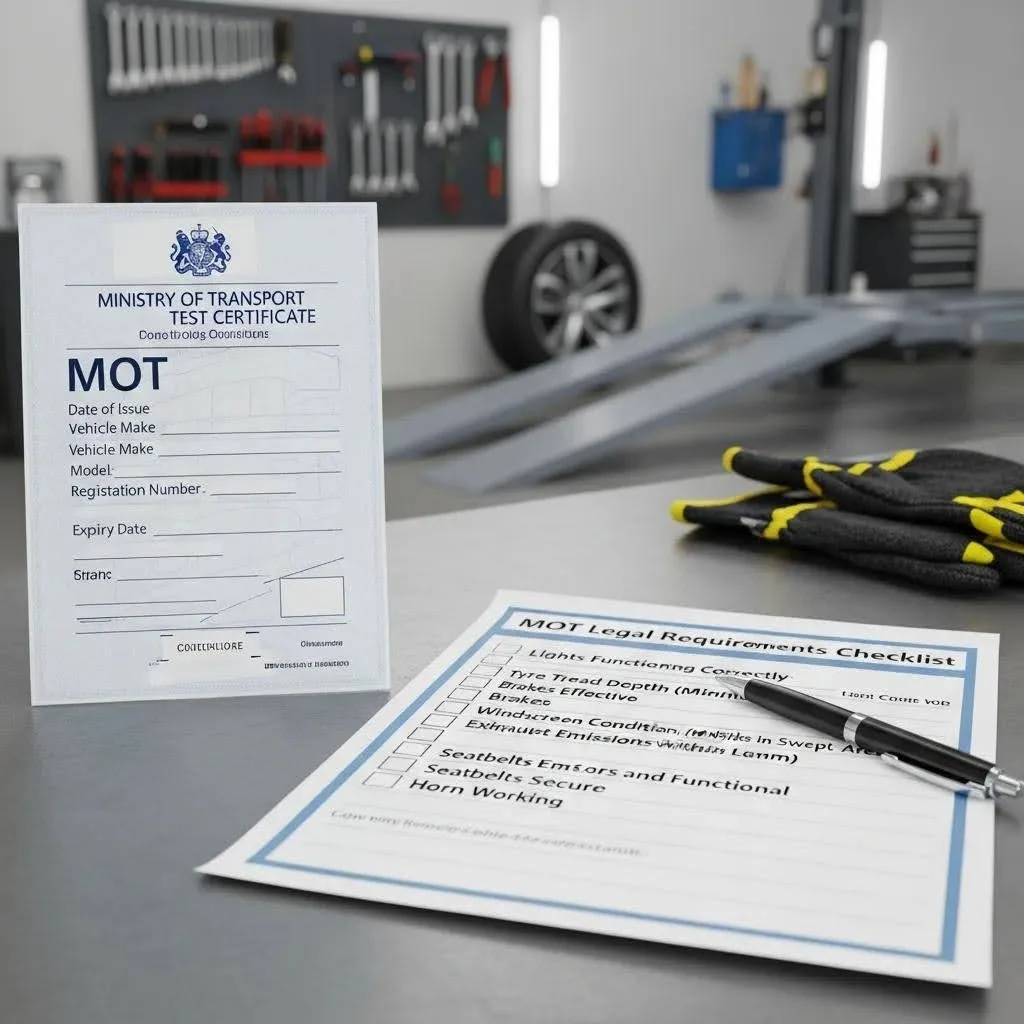
A vehicle must have a valid MOT certificate if it is required by law, which generally applies to most cars older than three years from first registration.
The MOT tests roadworthiness elements such as brakes, tyres, lights, and emissions to confirm a vehicle meets legal standards; without that certificate, the vehicle is not legally certified as roadworthy.
Driving without a valid MOT is illegal except for specific, limited journeys allowed by statute and DVSA guidance. These rules also interact with insurance contracts, so driving without an MOT can lead to cover being reduced or invalidated if a claim arises.
The legal framework for MOT requirements can be summarised as follows:
- Most cars must have an annual MOT once they are more than three years old.
- Driving without a valid MOT is an offence unless the journey is a direct trip to a pre-booked MOT or to a garage for repair.
- Insurance providers may reduce or refuse claims for vehicles driven without a valid MOT when the MOT was required.
These points explain why drivers should treat MOT expiry as a compliance and safety priority rather than a simple date on the calendar.
Grace Period Rules for MOT Expiry
There is no automatic or statutory “grace period” after the MOT expiry date; the certificate expires at midnight on the due date. The only widely recognised exception permits driving directly to a pre-booked MOT test or to a garage for repairs, provided the vehicle is roadworthy for that journey.
Drivers should carry proof of the booking and plan the most direct route to the test centre or repair facility to show that the trip is limited to that purpose if questioned. Keeping a booking confirmation and a concise travel plan reduces ambiguity and helps if enforcement or an insurer seeks evidence.
Because there is no grace period, prompt action and careful planning are vital as soon as your MOT lapses.
UK Law on Driving Without an MOT Certificate
Under the Road Traffic Act 1988 and DVSA regulations, driving a vehicle on a public road without a required MOT certificate is an offence and can result in prosecution.
The law treats MOT status as a basic legal requirement tied to roadworthiness, and enforcement penalties vary with the severity of risk posed by the vehicle.
If a vehicle has dangerous defects in addition to lacking an MOT, penalties become more severe, and prosecution is more likely. Drivers should therefore consider both the certificate status and actual mechanical condition before using a vehicle after the expiry date.
What Happens If Your MOT Expires?
An expired MOT immediately removes the statutory confirmation that a vehicle meets required safety and emissions standards; this exposes the owner to penalties, increased insurance risk, and elevated safety hazards.
Common consequences include fixed penalties or fines, possible penalty points for related offences, refusal of insurance claims, and higher costs if dangerous defects are found.
Practically, the recommended steps are to book the next available MOT, limit driving to a direct trip to the booked test or garage, and carry proof of the appointment. Prompt booking and arranging pre-test checks reduce the chance of fines and improve safety.
Below is a simple comparison of consequences by severity to help assess risk and necessary actions.
Penalties and outcomes at a glance:
| Outcome | Typical Trigger | Practical Effect |
|---|---|---|
| Fixed penalty/fine | Driving without a required MOT | Monetary penalty and warning; exact amounts vary depending on circumstances. |
| Increased sanction | Dangerous defects found | Larger fines (up to £2,500) and possible vehicle prohibition |
| Insurance impact | Claim made after MOT lapse | The claim may be reduced or rejected |
| Enforcement action | Repeat or serious offences | Prosecution, higher fines, points |
When your MOT has expired, you can normally only drive to a booked MOT or to a garage. To stay within the rules, follow the practical steps below.
- Book the MOT test immediately: Arrange the nearest available appointment and keep written or digital confirmation.
- Drive only to the appointment: Use the most direct route and avoid stops except emergencies.
- Ensure the vehicle is roadworthy: Check lights, tyres, and brakes before the journey.
- Keep documentation: Carry booking confirmation and any garage correspondence in case you need to show evidence of the journey.
Driving to a Pre-Booked MOT With an Expired MOT
Yes, the permitted exception allows driving directly to a pre-booked MOT test or to a garage for repairs, but only if the journey is necessary and the vehicle is roadworthy for that trip. You should carry proof of the booking and be prepared to show the specific purpose of the journey to enforcement officers.
Avoid detours, shopping stops, or other non-essential travel on that trip, because doing so would typically remove the legal protection of the exception. Contacting the test centre or garage ahead of travel to confirm arrival instructions is good practice and helps if evidence is needed later.
This practical allowance means that timely booking and clear documentation are essential once your MOT has expired.
Penalties for Driving Without a Valid MOT
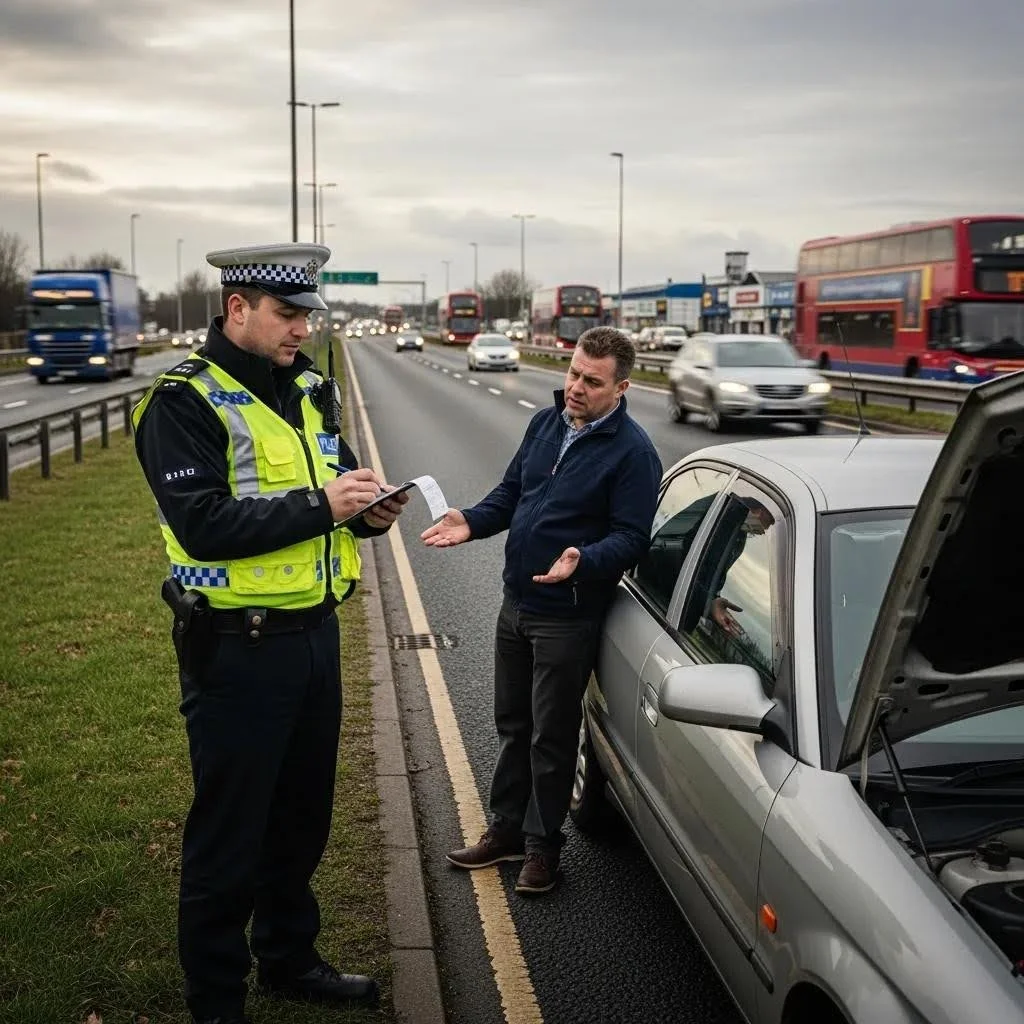
Penalties vary by circumstances but can include fixed fines, court fines, and higher penalties when dangerous defects are present. Standard offences can attract monetary penalties and, in some cases, points or prosecution, while dangerous defects or repeat non-compliance can result in larger fines and more serious enforcement.
Insurance consequences often increase the effective cost beyond fines because insurers may refuse or reduce claims for vehicles driven without the required MOT. The financial impact, therefore, includes potential fines, repair costs, and elevated insurance exposure.
To illustrate, drivers should weigh any potential fine against the larger potential costs from accidents, defects, and insurance disputes when deciding whether to drive with an expired MOT.
Who Is Exempt from MOT Testing in the UK?
Certain categories of vehicles are exempt from MOT testing, subject to specific age or use conditions; exemptions do not remove the duty to keep the vehicle roadworthy. Common exemptions include new vehicles that are within their initial exemption period and historic vehicles that meet the criteria for exemption from MOT testing.
Special vehicle classes and specific use-cases also attract exemptions, but owners remain responsible for ensuring safety and legal insurance. The DVSA provides authoritative guidance on exemptions, and owners should check the precise conditions that apply to their vehicle.
The following table summarises exemption categories and the main conditions to check.
| Vehicle Type | Exemption Condition | Notes |
|---|---|---|
| New vehicles | Within the initial exemption period (first 3 years) | Exemption based on the first registration date |
| Historic vehicles | Meets historic criteria (over 40 years old) | The owner must confirm eligibility |
| Special classes | Certain vehicle classes and uses | Check DVSA guidance for details |
Common exemption categories include:
- New cars within the initial manufacturer or statutory exemption period from first registration.
- Vehicles classed as historic or over a defined age (currently 40 years or older) and meeting the DVSA criteria.
- Certain specialist vehicle types with statutory exemptions.
Vehicles That Qualify for MOT Exemptions
Vehicles qualify for an MOT exemption primarily by age or classification, such as new passenger cars within their initial exemption period and certain older vehicles that qualify as historic. Eligibility often depends on the vehicle’s first registration date, its construction, and whether it has been substantially changed.
Specialist vehicles and some classes used in limited ways may also be exempt, but require confirmation from official guidance. Owners should retain documentation that demonstrates exemption status to avoid misunderstandings with enforcement or insurers.
Knowing the qualifying criteria helps owners verify whether their vehicle actually needs an MOT or simply requires careful maintenance to remain roadworthy.
How MOT Exemptions Affect Driving Legality
Exemption from MOT testing does not remove legal obligations to keep a vehicle safe, taxed, and insured; the owner remains responsible for roadworthiness and compliance with traffic law.
Insurance considerations still apply: an exempt vehicle must be correctly insured, and insurers may still expect reasonable maintenance standards.
Exempt vehicles should be maintained to the same safety standards as tested vehicles, and owners should keep records of maintenance and any evidence of exemption. Being exempt from testing, therefore, shifts emphasis from formal certification to ongoing owner-led responsibility for safety.
This clarification highlights that the exemption is limited and does not reduce the driver’s duty to maintain a safe, roadworthy vehicle.
How Can Medway Vehicle Services Help You Stay Compliant with MOT Regulations?
Medway Vehicle Services Limited offers MOT testing and related repair and maintenance services designed to help vehicle owners meet legal requirements and address common MOT failures.
Their local service options include pre-test checks, repairs for frequent failure items such as brakes, tyres, and lights, and transparent advice on what to fix before the test. Booking with a local MOT test centre reduces delay and helps drivers keep documentary evidence of appointments should they need to justify a direct journey to a test.
Medway Vehicle Services Limited aims to provide clear information, straightforward booking, and practical support for drivers who need to restore a vehicle to roadworthy condition.
Below is a quick service comparison to show common offerings and benefits.
| Service | What It Covers | Benefit / Turnaround |
|---|---|---|
| Pre-test check | Lights, tyres, brakes, quick check | Identifies likely failures before MOT |
| MOT test | Full statutory inspection | Official certification if passed |
| Repair work | Brakes, tyres, exhaust, lights | Fixes to improve the vehicle’s chances of passing promptly |
To book or prepare for an MOT in Medway, follow these practical steps.
- Have vehicle details ready: Registration, make/model, and preferred dates.
- Request a pre-test check if concerned: Identify likely failures early.
- Book the MOT appointment: Arrange the earliest convenient slot and keep confirmation.
- Bring the vehicle for the test: Travel directly and bring documentation.
Frequently Asked Questions
Is There a Grace Period After My MOT Expires?
No. There’s no automatic grace period; your MOT expires at midnight on the due date. The common exception is driving directly to a pre-booked MOT or to a garage for repairs, as long as the vehicle is roadworthy for that journey. Carry proof of the booking and take the most direct route to stay within the legal allowance.
How Long Can I Drive Without an MOT in the UK?
In practice, you generally can’t drive without a valid MOT. It’s illegal except for those limited, necessary journeys (to a pre-booked test or repair).
What Are the Penalties and Risks of Driving Without a Valid MOT?
You’re exposing yourself to fines, and if the vehicle is found with dangerous defects, penalties can be much higher. On top of that, insurance can become a serious problem; claims may be reduced or rejected if the MOT was required.
Which Vehicles Are Exempt From MOT Testing, And Does Exemption Change Legality?
Some vehicles can be exempt (for example, new vehicles in the first 3 years, and historic vehicles over 40 years if they meet the criteria). However, exemption doesn’t remove your legal duty to keep the vehicle roadworthy, taxed, and insured; you’re still responsible for safe condition and compliance.
