





A metallic rattle for a few seconds after a cold start, or a car that turned over once and then went quiet, and somebody has already put a figure on it without ever hearing the engine. Before anyone can quote you for a timing chain, the noise has to be identified, because on a Ford or a Peugeot that rattle is as likely to be a wet belt running in oil as a stretched chain. Identifying it here costs £69, and the chain quote follows the diagnosis rather than the other way round.






There’s no mileage interval to work to on a chain. It gets replaced on condition, and the condition creeps up slowly, so the first sign is nearly always a noise rather than a breakdown. From cold, oil has drained back out of the tensioner, so for a few seconds there’s nothing holding the slack out of a worn chain and it slaps against its guides until oil pressure builds and takes it up. That’s why the rattle fades as the engine warms through, and why plenty of owners talk themselves into ignoring it.
None of that proves the chain on its own. A cam sensor, its wiring, low oil pressure or a fuelling fault can all produce much the same picture, and we won’t sign off a strip-down on the back of a code somebody read out in a car park. The diagnostic is £69. We pull stored and pending codes at the OBD port, read the freeze-frame captured at the moment the fault set, watch cam and crank signals in live data, and drive the car when the fault only shows under load. Most diagnostics are same-day. Deeper fault-finding isn’t, because a fault that only appears after a few miles has to be driven to be found, and a road test can’t be rushed into a slot. The £69 is usually credited against the repair when the work is booked in with us. It isn’t automatic on smaller jobs, and you’ll know where you stand before you commit to anything.
A timing chain stretches rather than fails outright. The links wear and lengthen, the tensioner runs out of travel, the plastic guides wear grooves, and the camshafts end up sitting a few degrees behind the crankshaft. The engine control unit is watching both sensors, sees them disagree and stores a correlation code. That’s a chain telling you about itself.
A wet belt is a different animal. It’s a cambelt that runs inside the engine, in the oil, as on Ford’s 1.0 EcoBoost and PSA’s 1.2 PureTech. As it ages it sheds material, the debris finds the oil pickup, and once the pickup blocks the engine is starved of oil and destroys itself from the inside. Fords, Peugeots and Citroens make up most of our timing work for that reason. It’s a consequence of a shared design, not a limit on what we take in, and every make is welcome.
Both faults rattle on a cold start. Both make an owner assume the worst. They are two completely different bills, which is why nobody here will price a chain over the phone. Wet belt work has its own page, and there’s a longer piece comparing belts with chains, so this page stays with the chain.
We don’t publish a chain price, because any figure quoted before the car has been looked at is guesswork. The chain sits behind a cover at the front of the engine, and how much has to come off to reach that cover varies enormously between engines. On some transverse installations the work is done with the engine in place. On others major components come off first, and that’s hours of labour before the chain is even in sight.
Scope moves the figure too. With the front of the engine open, the guides, tensioner and sprockets are measured rather than replaced as a matter of routine. If they’re good, you don’t pay for them. If they’re worn, fitting them while everything is already apart is the sensible call, because nearly all the cost of this repair is the labour to get in there.
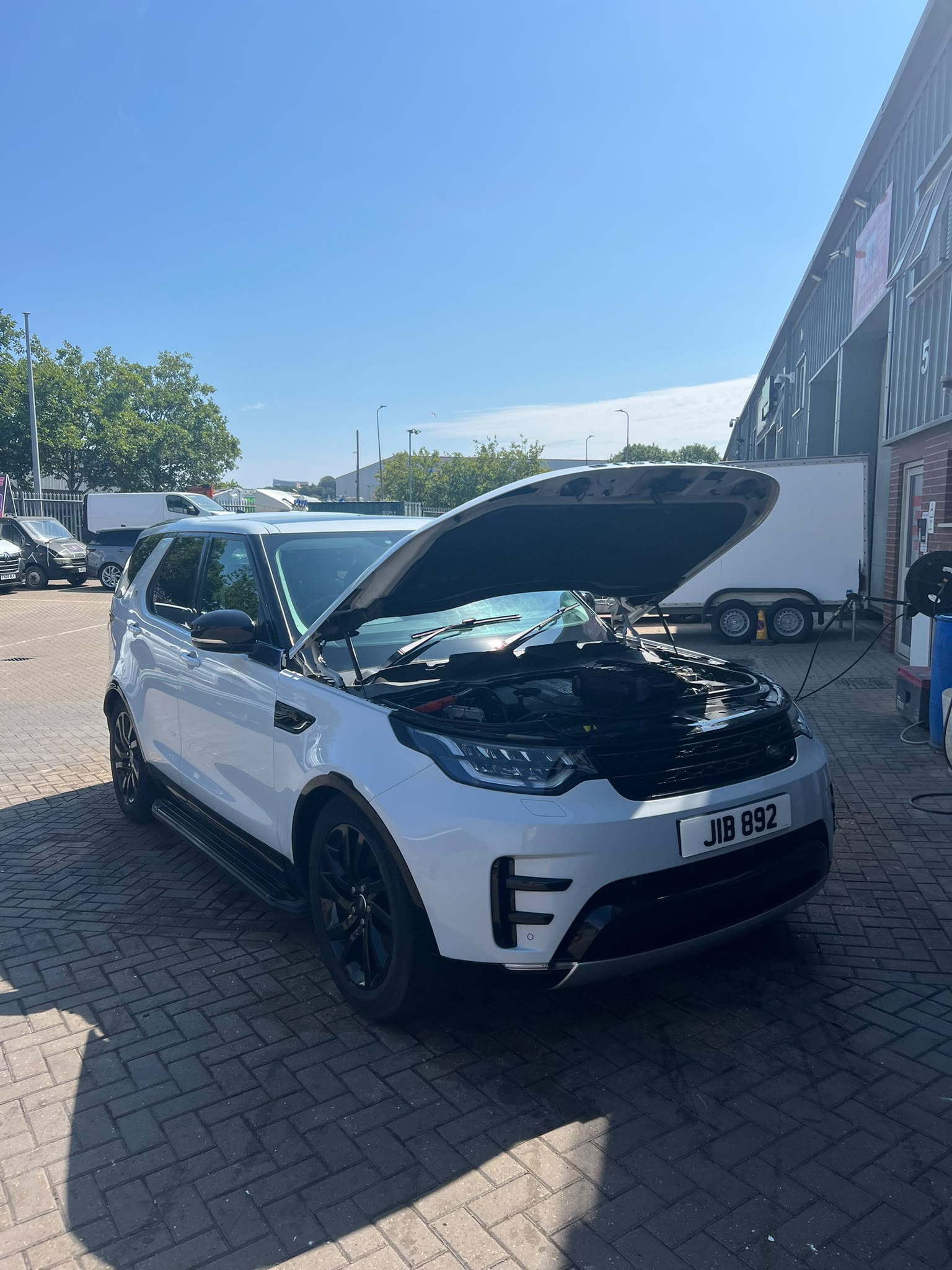
If the chain has jumped, the valves and pistons have very likely met. The strip tells us how much damage there is, and the verdict can be that the repair costs more than the car is worth. That’s a legitimate outcome and you’ll get it straight, not dressed up. Either way the hours and the figure come with the quote, in writing, after the car has been assessed, and nothing beyond the work you’ve agreed goes ahead without a call first.
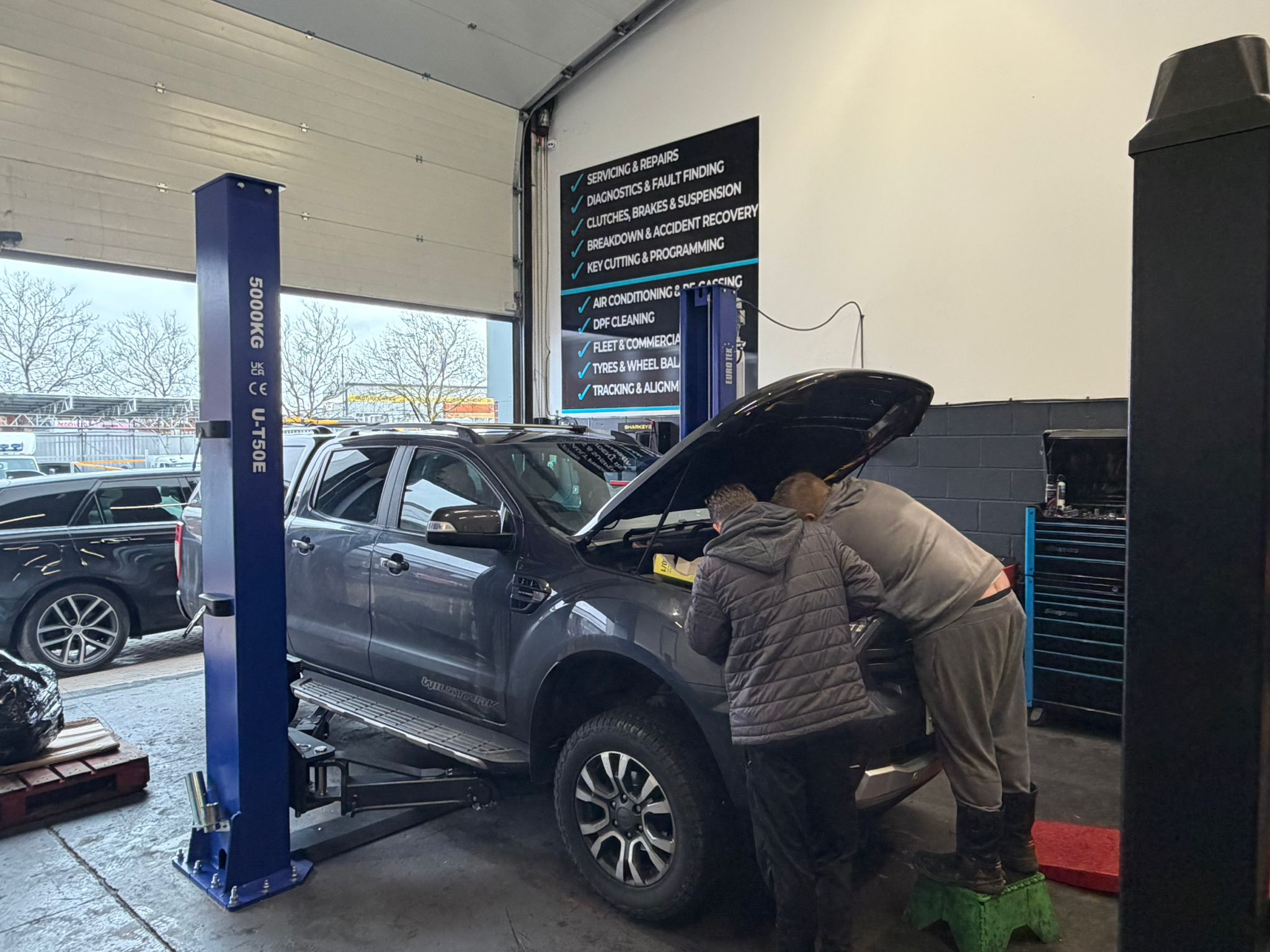
The workshop that quotes your chain job is the workshop that will have your car. You speak to the team directly rather than a call centre handing the work on to an approved garage somewhere else, and the technician who read the codes is the one who sets the timing afterwards. All makes come in, petrol, diesel, hybrid and electric, including older and high-mileage engines a main dealer would rather not have on the ramp. Parts are chosen to suit the engine, from suppliers we deal with daily.
The workshop is a single unit on the Medway City Estate in Rochester, a few minutes from Gillingham along the A289 and through the Medway Tunnel. Timing chain work can’t be done on your driveway, and anyone offering to is describing a different job: the front of the engine has to come apart, the car needs lifting and supporting properly, the engine often needs holding from above, and the timing has to be set with the vehicle stationary for as long as that takes.
What does come to you is the recovery. If the car won’t start, is stuck in limp mode or has sat unused for months, we’ll fetch it on our own truck rather than book a recovery firm in on your behalf. Ring and ask before you assume the car has to be driveable. We see cars in from Gillingham, Chatham, Rochester, Strood and Rainham, and from Gravesend as well.

Phone: 01634 510 780
Email: bookings@medwayvehicleservices.
co.uk
Unit 3 Cliffe Yard, Anthonys Way, Medway City Estate, Rochester, Kent, ME2 4DY
WhatsApp us